

Hey there! I'm a supplier of corrugated boxes, and today I want to chat about something super important: the impact of temperature on corrugated boxes.
First off, let's talk about what corrugated boxes are. They're those sturdy, multi - layer boxes you see everywhere, from shipping products to storing your old stuff. They're made up of a fluted layer sandwiched between two flat linerboards, and this structure gives them strength and durability.
High Temperatures
When it comes to high temperatures, corrugated boxes can really take a beating. You see, heat can cause the moisture in the box to evaporate. Corrugated boxes have a certain amount of moisture content, which is normal and helps maintain their structural integrity. But when the temperature gets too high, that moisture starts to leave the box.
As the moisture evaporates, the fibers in the box start to dry out. This makes the box more brittle. You might notice that the box becomes less flexible and more prone to cracking. For example, if you're shipping products in corrugated boxes during a hot summer, the boxes could be at risk. If they're stacked on a truck that's sitting in the sun, the high temperature inside the truck can cause the boxes to weaken.
Another issue with high temperatures is that they can affect the adhesive used to hold the layers of the corrugated box together. Most adhesives have a temperature limit. When the temperature exceeds this limit, the adhesive can start to break down. This means that the layers of the box might start to separate, which is a big problem. If the layers come apart, the box loses its strength and won't be able to protect the contents inside.
Let's say you're shipping electronics in corrugated boxes. High temperatures could not only damage the box but also the delicate electronics inside. The weakened box might not be able to withstand the normal jostling and vibrations during shipping, leading to potential damage to the products.
Low Temperatures
On the flip side, low temperatures also have an impact on corrugated boxes. Cold temperatures can make the box materials more rigid. Just like a piece of rubber gets hard in the cold, the fibers in the corrugated box become less flexible. This makes the box more likely to break if it's bumped or dropped.
In extremely cold conditions, the water inside the box can freeze. When water freezes, it expands. This expansion can cause the box to warp or even burst. For instance, if you're shipping food products in corrugated boxes during winter, the freezing temperatures could damage the boxes and the food inside.

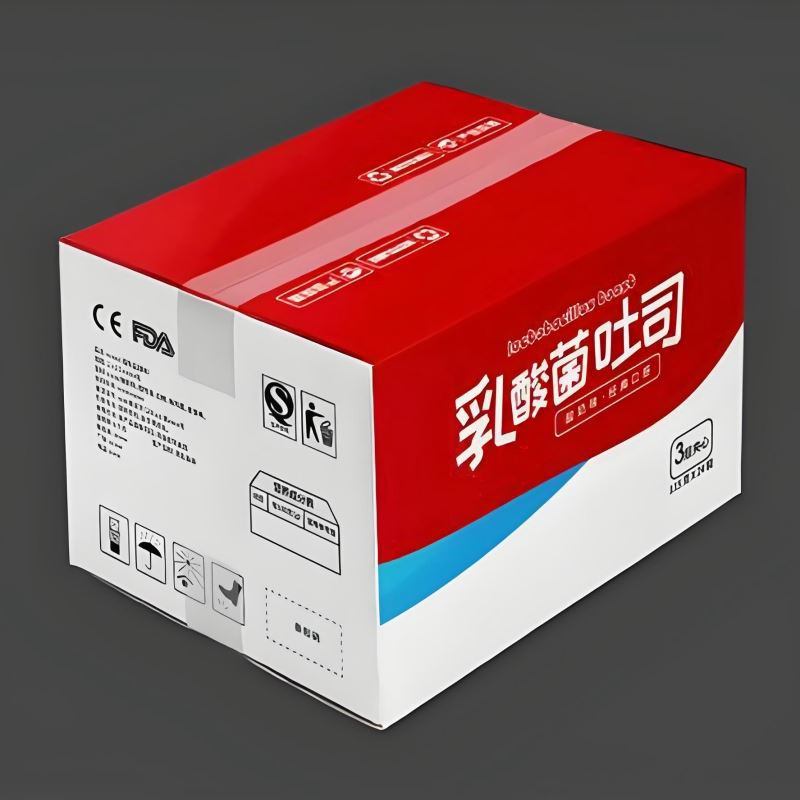
Moreover, low temperatures can also affect the printing on the box. The ink might become brittle and start to crack, which is not only a cosmetic issue but can also affect the readability of important information like product labels and barcodes.
How to Mitigate the Impact
So, what can we do to reduce the impact of temperature on corrugated boxes? One solution is to use insulated boxes. Insulated corrugated boxes can help regulate the temperature inside the box, protecting the contents from extreme heat or cold.
Another option is to choose the right type of corrugated box for the specific temperature conditions. For example, if you're shipping in a hot environment, you might want to choose a box with a higher moisture - resistant coating. This can help prevent the moisture from evaporating too quickly and keep the box strong.
We also offer a variety of corrugated boxes that are designed to withstand different temperature ranges. You can check out our Corrugated Shipping Cartons, which are great for general shipping purposes. If you're in the business of shipping fruits and vegetables, our Fruit and Vegetable Crates are designed to keep the produce fresh and protected in various temperature conditions. And for those larger items, our Oversized Cardboard Boxes can handle the job while still being resistant to temperature changes.
Conclusion
Temperature has a significant impact on corrugated boxes. Whether it's high temperatures causing the box to dry out and the adhesive to break down, or low temperatures making the box rigid and potentially causing it to burst, it's important to be aware of these factors. As a corrugated box supplier, we understand the importance of providing high - quality boxes that can withstand different temperature conditions.
If you're in the market for corrugated boxes, we'd love to have a chat with you. We can help you choose the right boxes for your specific needs, whether it's for shipping, storage, or any other purpose. Don't hesitate to reach out and start a conversation about your corrugated box requirements.
References
Smith, J. (2020). The Effects of Temperature on Packaging Materials. Journal of Packaging Science.
Brown, A. (2019). Corrugated Box Performance in Extreme Temperatures. Packaging Research Quarterly.


