

As a supplier of corrugated boxes, I've seen firsthand how the thickness of these boxes can have a huge impact on their performance. In this blog, I'm gonna break down how different thicknesses of corrugated boxes play out in various scenarios, and why it matters for your packaging needs.
Understanding Corrugated Box Thickness
Let's start by getting a handle on what we mean by the thickness of corrugated boxes. The thickness is mainly determined by the number and type of flutes in the corrugated board. Flutes are those wavy layers in between the flat linerboards, and they come in different sizes like A, B, C, E, and F. Each flute size has its own thickness and characteristics.
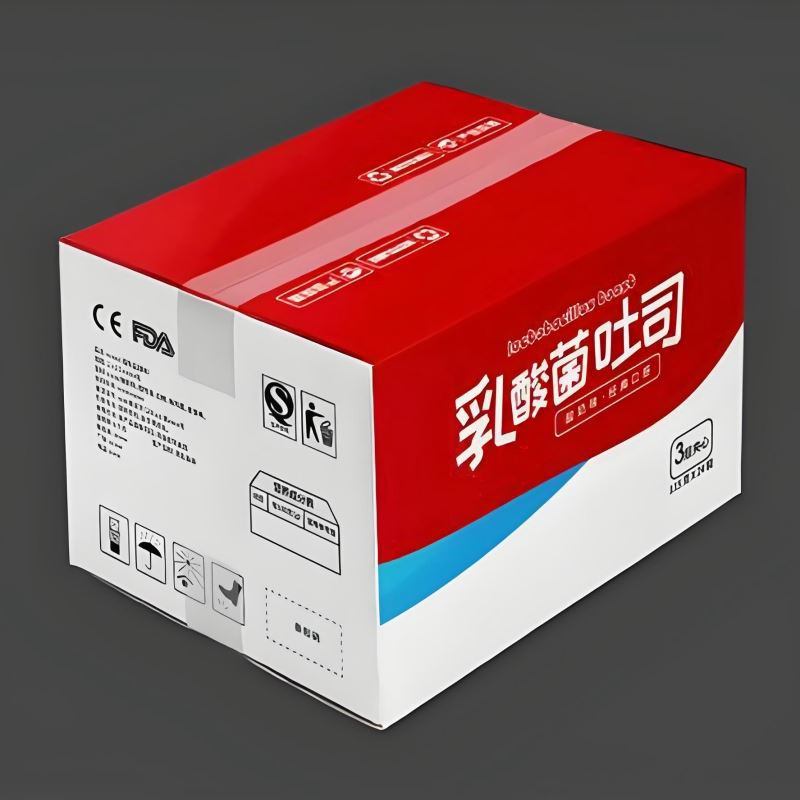

For instance, A-flute is relatively thick and provides good cushioning. It's great for shipping fragile items because it can absorb shocks during transit. On the other hand, E-flute is thinner but offers a smooth surface, making it ideal for printing high - quality graphics. So, the choice of flute size and thus the thickness of the box depends on what you're packing and how it will be handled.
Impact on Strength and Durability
One of the most obvious ways box thickness affects performance is in terms of strength and durability. Thicker corrugated boxes are generally stronger. They can withstand more pressure and weight without collapsing. If you're shipping heavy items, like a bunch of books or a set of tools, a thicker box is your best bet.
Let's say you're sending a large quantity of glassware. A thin box might not be able to hold up under the weight and the jostling during shipping, leading to breakage. But a thicker box with a sturdy flute structure can provide the necessary support and protection. It can resist compression and keep the contents safe.
However, it's not always about going for the thickest option. Sometimes, a thinner box is more than enough. For example, if you're packing lightweight items like T - shirts or small toys, a thinner box can do the job just fine. It's also more cost - effective and takes up less space.
Effect on Cushioning
Cushioning is another important aspect of corrugated box performance. Thicker boxes usually offer better cushioning because of the extra layers and the air pockets created by the flutes. When an item is dropped or bumped, the flutes act as shock absorbers, reducing the impact on the contents.
Imagine you're shipping a delicate electronic device. A thick box with proper flute design can protect the device from damage. The flutes can flex and bend, dissipating the energy from the impact. In contrast, a thin box might not have enough cushioning, and the item could be at risk of getting damaged.
But again, it's a balance. If you're packing something that doesn't need much cushioning, like a stack of paper, a thin box will work well. You don't want to over - package and waste materials.
Printing and Appearance
The thickness of the box also affects its printing and appearance. Thinner boxes, especially those with E - flute or F - flute, have a smoother surface. This makes them great for printing high - resolution graphics, logos, and product information. If you're using the box as a marketing tool, a thin box can showcase your brand in a more professional way.
On the other hand, thicker boxes might have a slightly rougher surface due to the larger flutes. But they can still be printed on, and the printing can add a rustic or industrial look, which might be suitable for certain products. For example, if you're selling artisanal goods, a thick box with some simple printing can give a unique and appealing look.
Cost Considerations
Cost is always a factor when it comes to packaging. Thicker boxes generally cost more because they use more materials. If you're on a tight budget, you might want to consider using thinner boxes for items that don't require high - level protection.
However, you also need to think about the long - term costs. If a thin box fails to protect your product during shipping, you could end up with returns and dissatisfied customers. So, it's important to find the right balance between cost and performance.
Applications in Different Industries
Different industries have different requirements for corrugated boxes. For the food industry, especially when it comes to Fruit and Vegetable Crates, the thickness of the box is crucial. Fruits and vegetables are often delicate and need proper protection. A thicker box can prevent them from getting crushed during transit.
In the e - commerce industry, where a wide variety of products are shipped, the choice of box thickness depends on the item. For Oversized Cardboard Boxes, a thicker box is usually needed to handle the weight and size. On the other hand, for smaller items, a thinner box might be sufficient.
The DIY market also has its own needs. Diy Packaging Boxes can come in different thicknesses depending on the project. If you're making a simple gift box, a thinner box might be easier to work with. But if you're creating a more sturdy storage box, a thicker box is a better choice.
Making the Right Choice
So, how do you decide on the right thickness for your corrugated boxes? First, consider the nature of the product you're packing. Is it heavy, fragile, or lightweight? Then, think about the shipping conditions. Will the box be handled roughly or gently? Also, factor in your budget.
If you're not sure, you can always reach out to us. As a corrugated box supplier, we have the expertise to help you choose the right box thickness for your specific needs. We can provide samples and advice to ensure that your products are well - protected and your packaging is cost - effective.
In conclusion, the thickness of corrugated boxes has a significant impact on their performance. Whether it's strength, cushioning, printing, or cost, each aspect is affected by the box's thickness. By understanding these factors and making the right choice, you can ensure that your products are safely shipped and presented to your customers.
If you're interested in purchasing corrugated boxes for your business, feel free to contact us for a consultation. We're here to help you find the perfect packaging solution.
References
- Packaging Machinery Manufacturers Institute. (2023). Corrugated Packaging Handbook.
- Smith, J. (2022). The Science of Corrugated Boxes. Packaging World Magazine.


